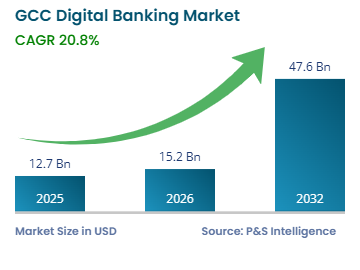
Banking and FinTech trends across the GCC in 2026 reveal a strong focus on artificial intelligence, real-time payments, and customer experience transformation. Financial institutions in the region are accelerating digital initiatives to meet rising customer expectations and regulatory demands.
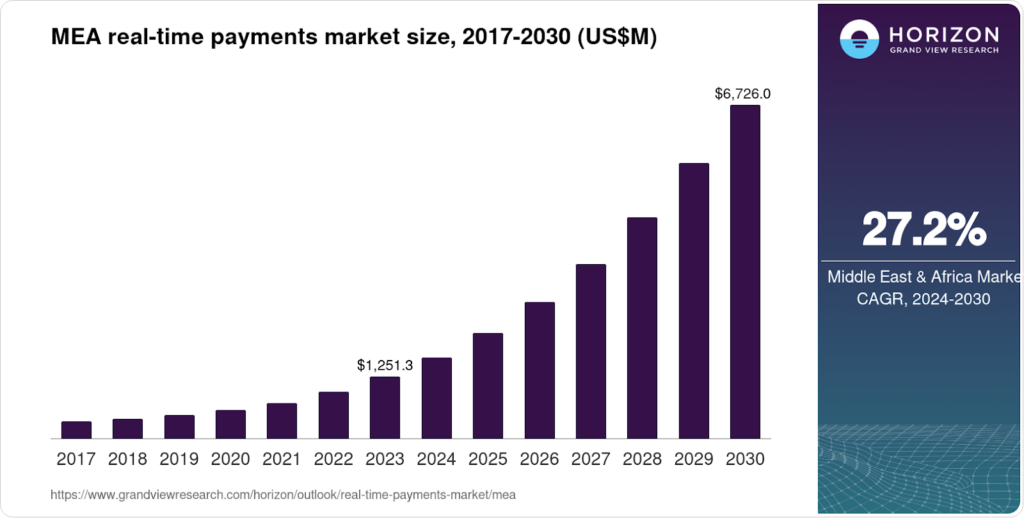
Real-time payment systems are expanding across the Gulf, enabling faster and more transparent transactions. AI is increasingly used to support fraud detection, risk management, and customer engagement. These developments position the GCC as a fast-moving financial ecosystem.
However, rapid innovation also increases complexity. Customers interact with multiple channels, platforms, and services, making consistency and clarity essential.
What This Means for GCC Institutions
Regional banks and FinTech companies face several priorities:
Experience gaps in any part of the journey can undermine confidence, even when technology performs as intended.
Strategic Insight
In the GCC, technology leadership must be matched with experience excellence. Institutions that evaluate service delivery through structured programs gain better visibility into performance risks and opportunities.
AI as an Enabler of Smarter, Faster Financial Services
Across the GCC, AI adoption is moving beyond experimentation into core banking and FinTech operations. Institutions are using AI to improve fraud detection accuracy, accelerate credit decisions, and personalize customer interactions at scale. These capabilities support both regulatory compliance and customer convenience in fast-growing digital markets.
At the same time, AI-driven decisions require transparency and oversight. Customers expect clear explanations when transactions are flagged, payments are delayed, or automated decisions affect access to services. Institutions that prioritize explainability alongside automation are better positioned to maintain trust.
Real-Time Payments Redefine Customer Expectations
The expansion of real-time payment systems across the GCC is reshaping how customers perceive speed and reliability in financial services. Instant transfers are becoming the norm rather than a premium feature.
When real-time systems fail to deliver clarity or reliability, customer frustration increases quickly despite advanced infrastructure.
Managing Omnichannel Experience in a Rapidly Evolving Market
As GCC banks and FinTech firms expand digital offerings, customer journeys increasingly span mobile apps, branches, call centers, and third-party platforms. Managing consistency across these touchpoints is becoming one of the region’s most significant challenges.
Leading institutions are investing in structured experience measurement to identify gaps between intended service design and real customer interactions. Regular evaluations help uncover breakdowns in communication, handoffs, and support processes before they affect trust or regulatory standing. This approach enables organizations to scale innovation while maintaining service quality.
Conclusion
GCC banking and FinTech trends for 2026 point to a region advancing rapidly in AI adoption, real-time payments, and digital innovation. These technologies strengthen capability and competitiveness, but they also raise customer expectations for clarity, reliability, and consistency.
Long-term success will depend on how effectively institutions translate technological leadership into high-quality customer experiences. By pairing innovation with continuous experience evaluation, GCC banks and FinTech companies can reduce risk, protect trust, and deliver services that meet the demands of an increasingly sophisticated digital customer base.