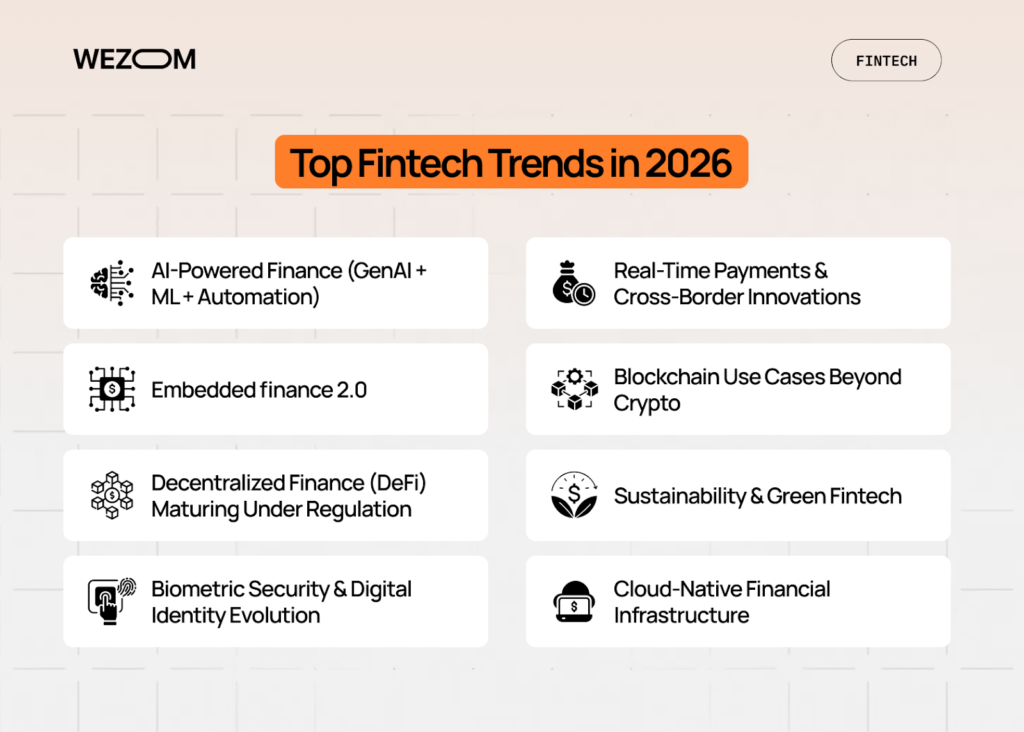
New FinTech portfolios released in 2026 highlight a strong focus on conversational AI, open payments, and seamless digital customer journeys. Financial technology providers are prioritizing ease of interaction, speed, and personalization as competition in digital finance continues to increase.
Conversational AI is becoming a standard interface for customer interaction. Virtual assistants now handle account inquiries, payment support, and onboarding processes. At the same time, open payments frameworks allow customers to move funds more freely across platforms and services.
While these innovations improve convenience, they also raise customer expectations. Users now expect digital interactions to be intuitive, secure, and consistent across channels.
Business Implications for Financial Institutions
As FinTech capabilities expand, institutions face new challenges:
Technology alone does not guarantee a positive experience. Institutions must evaluate how customers actually interact with digital tools and where confusion or friction occurs.
Strategic Insight
FinTech innovation succeeds when digital efficiency is matched with experience clarity. Organizations that measure customer experience alongside technology adoption are better positioned to reduce friction, protect trust, and scale sustainably.
Conversational AI as the New Front Door to Financial Services
Conversational AI is rapidly becoming the primary interface between customers and financial institutions. Instead of navigating complex menus or forms, users increasingly expect to resolve issues through natural language conversations. This shift places greater responsibility on AI systems to deliver accurate, compliant, and context-aware responses.
Financial institutions are redesigning service flows around dialogue-based interactions. However, poorly trained models or unclear escalation paths can quickly erode trust. Leaders emphasized that conversational AI must be continuously tested against real customer scenarios to ensure clarity, accuracy, and reliability.
Open Payments Raise the Bar for Trust and Transparency
Open payments frameworks give customers more flexibility and control over how they move and manage money. With that flexibility comes heightened sensitivity to security, transparency, and communication.
Key moments that shape customer confidence include:
Even minor friction in these areas can undermine confidence in otherwise advanced digital payment systems.
Managing Experience Quality at Scale
As FinTech platforms grow, maintaining consistent service quality becomes more complex. Automated interactions allow institutions to scale efficiently, but they also magnify flaws in design, language, and logic. A confusing message or delayed response can affect thousands of customers simultaneously.
To manage this risk, leading organizations pair technology deployment with structured experience evaluation. Monitoring real customer journeys helps identify friction points early and ensures that automation supports, rather than replaces, clarity and trust. This approach allows institutions to scale innovation without sacrificing customer confidence.
Conclusion
The FinTech portfolios of 2026 reflect a clear direction. Conversational AI and open payments are redefining how customers interact with financial services. Convenience and speed are no longer differentiators. They are expectations.
Sustainable success depends on how well these technologies are experienced by real users. Institutions that invest in experience measurement alongside innovation gain greater control over quality, reduce trust-related risks, and build stronger long-term relationships. In digital finance, growth is driven not just by what technology can do, but by how confidently customers can use it.